Biodiversity net gain (BNG) units available
Meet planning conditions for developments across England with fully compliant off-site BNG units from our Norfolk habitat bank, created in collaboration with Natural England.

Off-site BNG units for developers
Wendling Beck offers a straightforward route to satisfy your BNG requirements while directly supporting landscape-scale restoration.
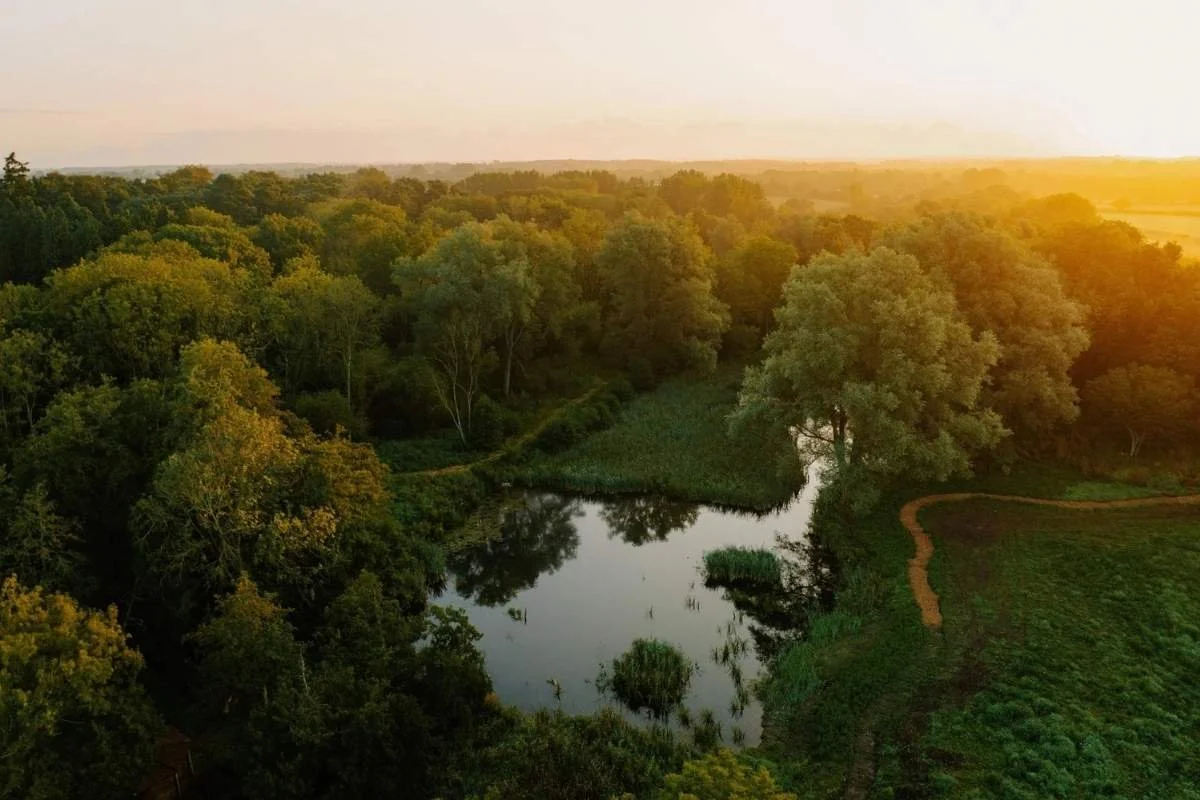
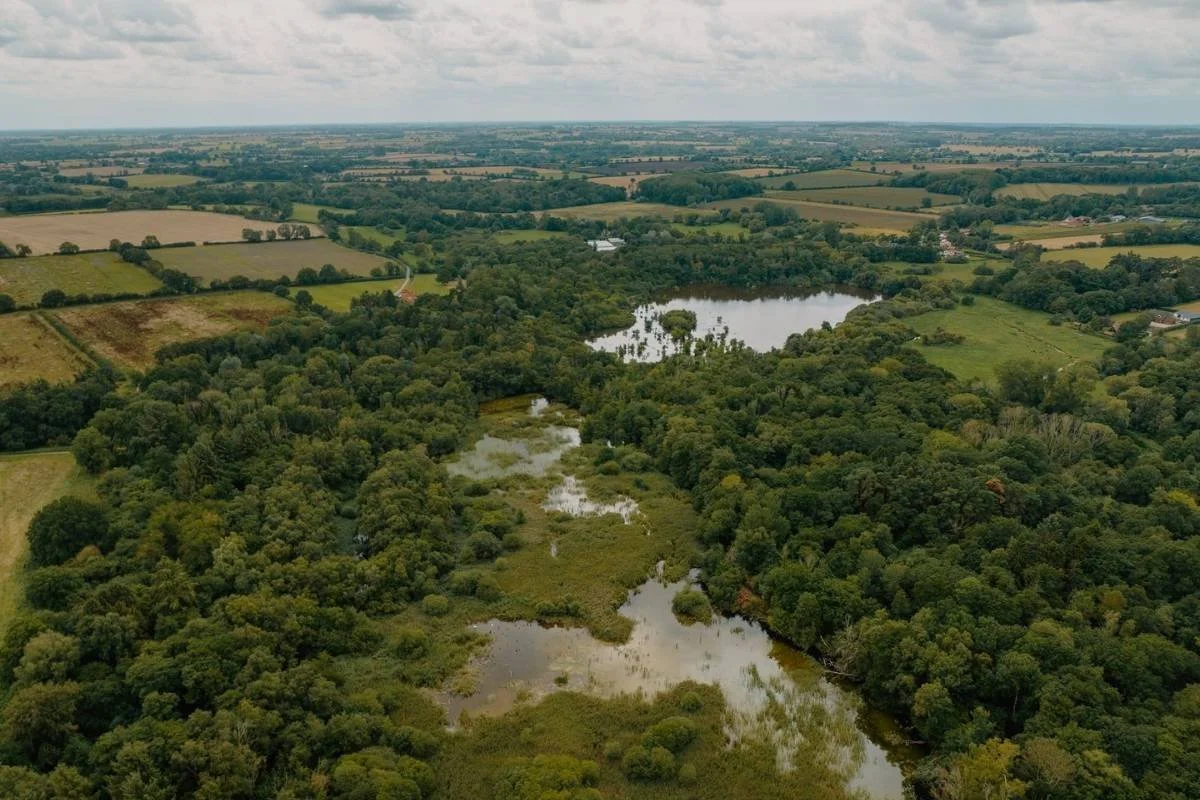
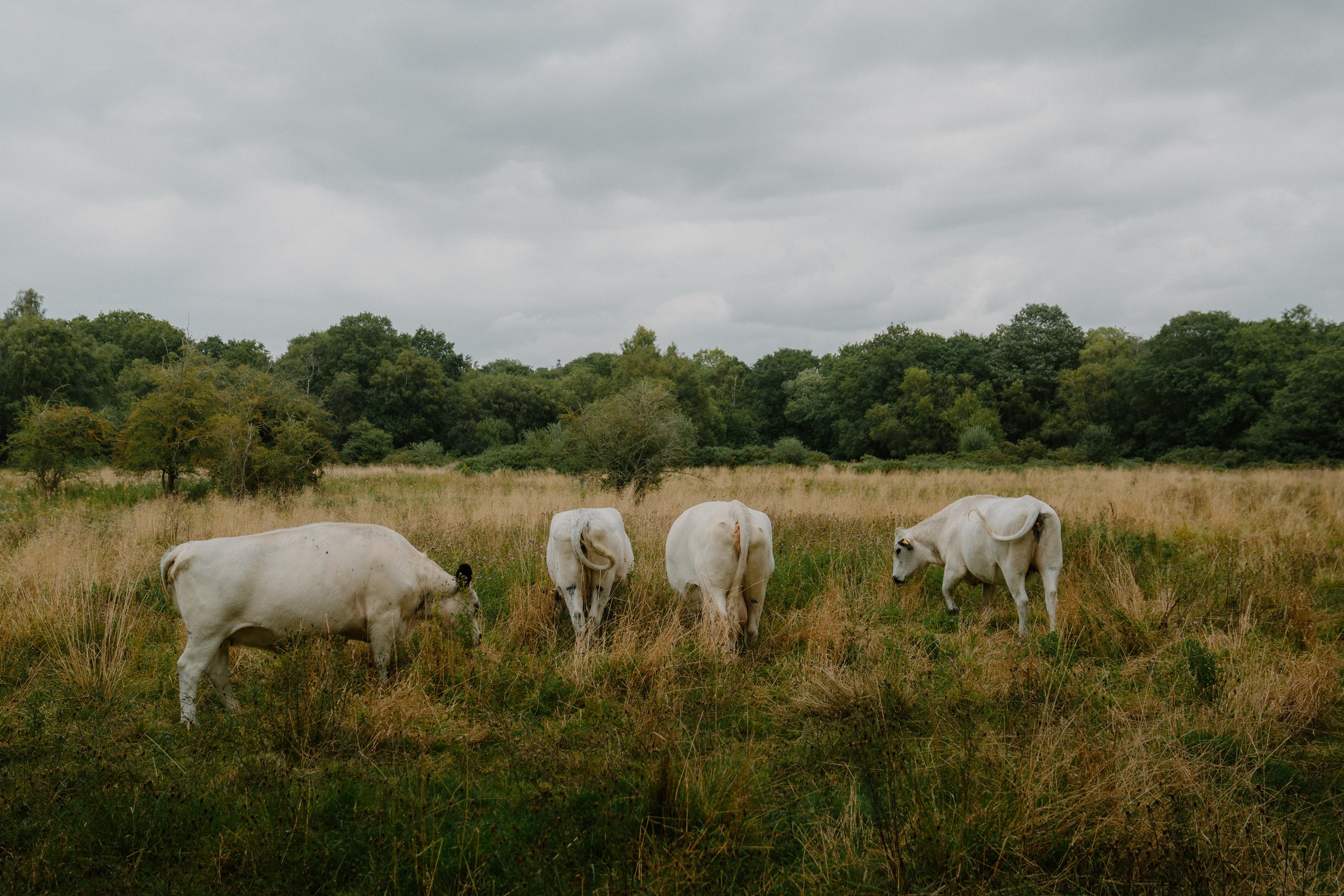
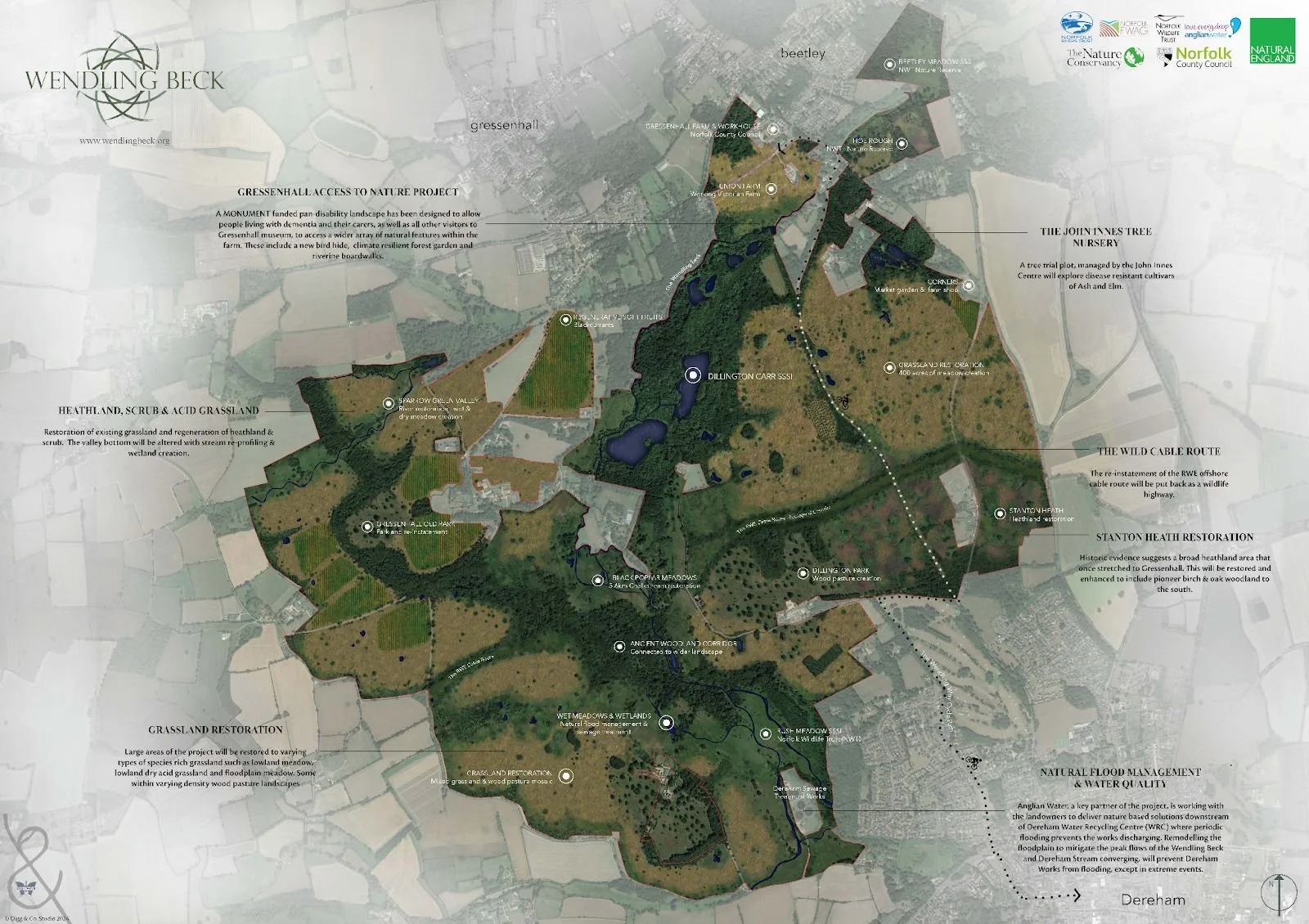
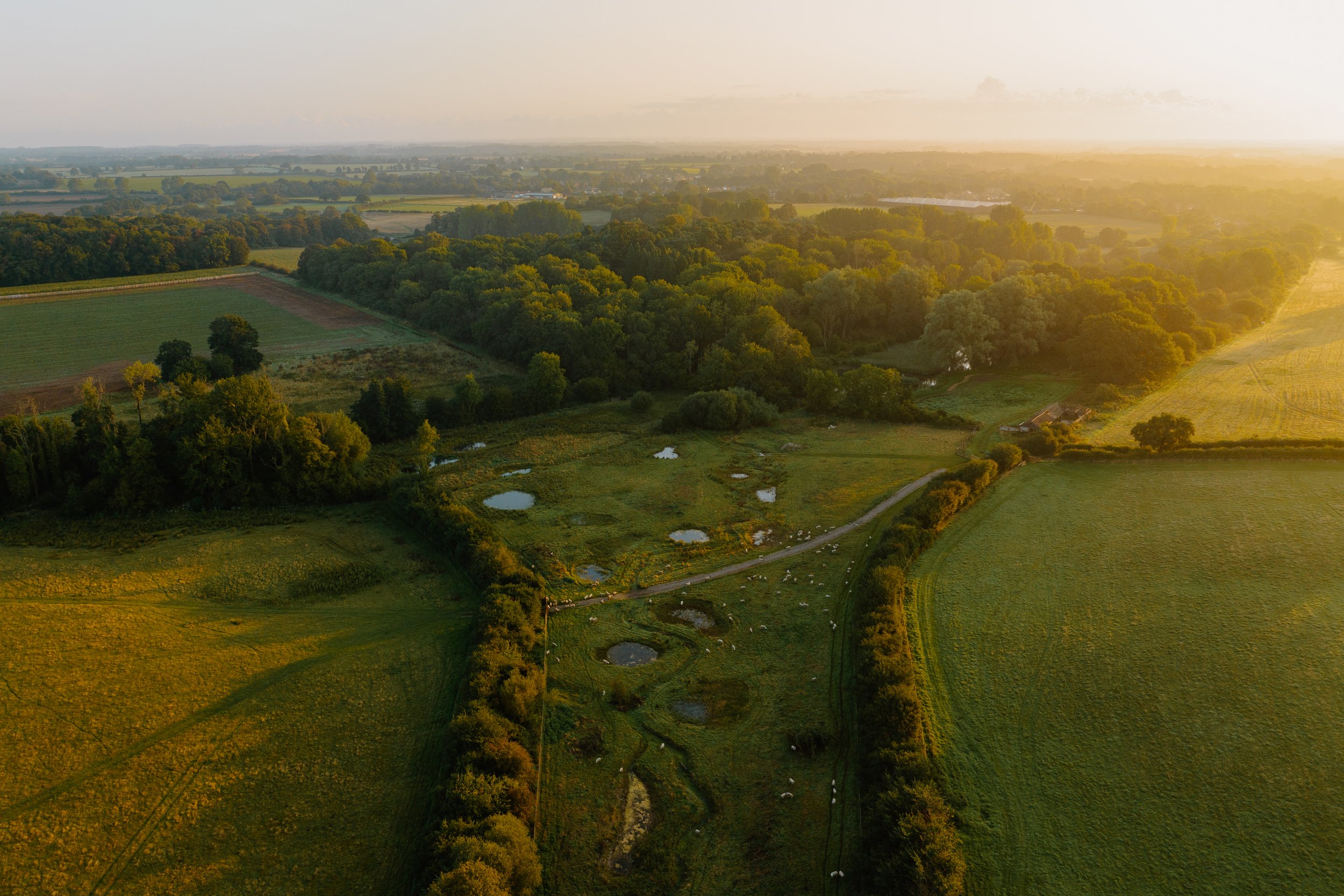
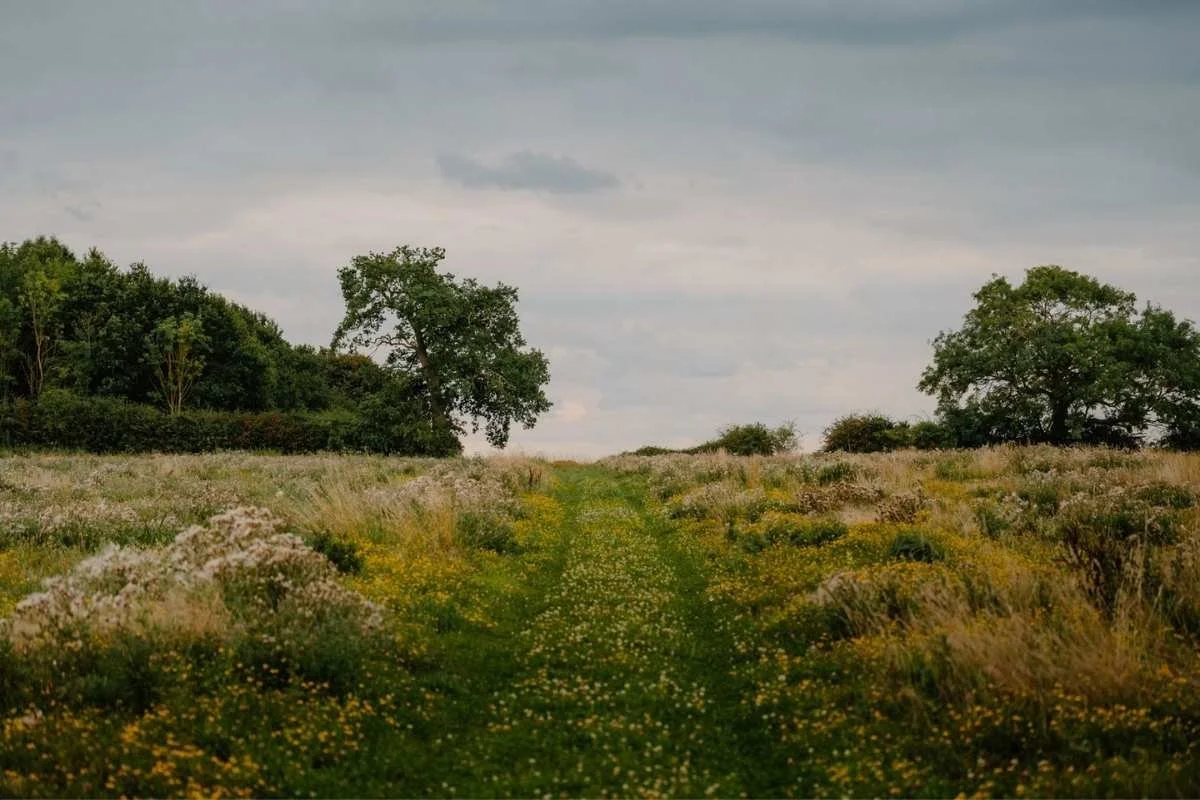
Our habitat bank covers more than 2,000 acres, including species-rich grasslands, wetlands, watercourse and woodland habitats

Why buy BNG units from Wendling Beck?
-
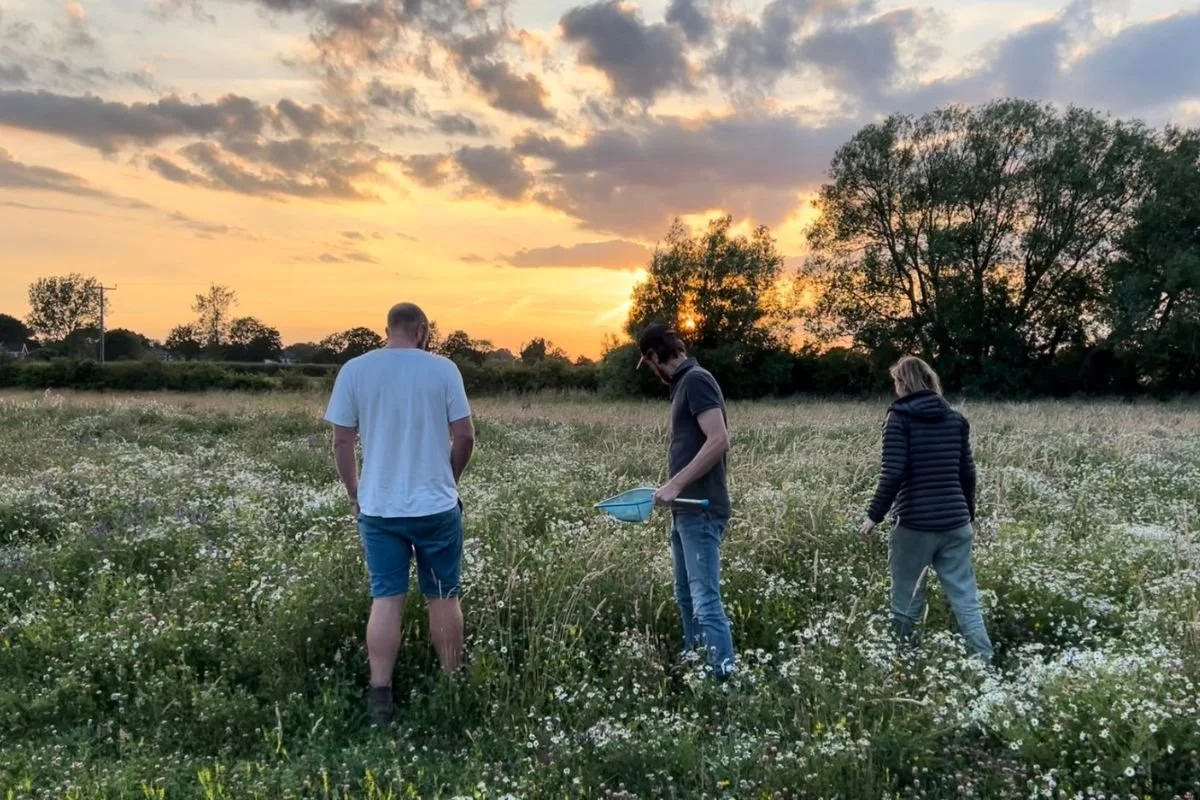
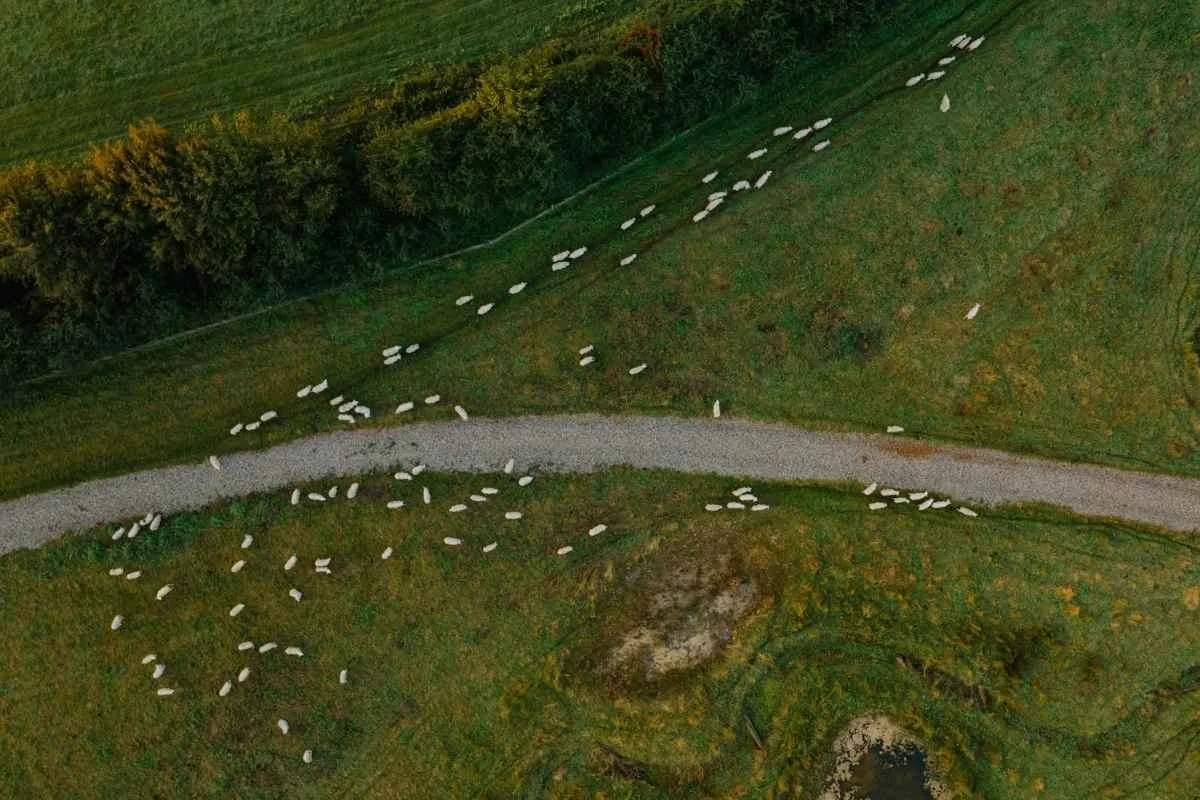
Your BNG units support one of the UK's most ambitious nature recovery projects. Over 35 distinct habitat types have already been created in Norfolk, with more being delivered as the project grows and evolves.
-
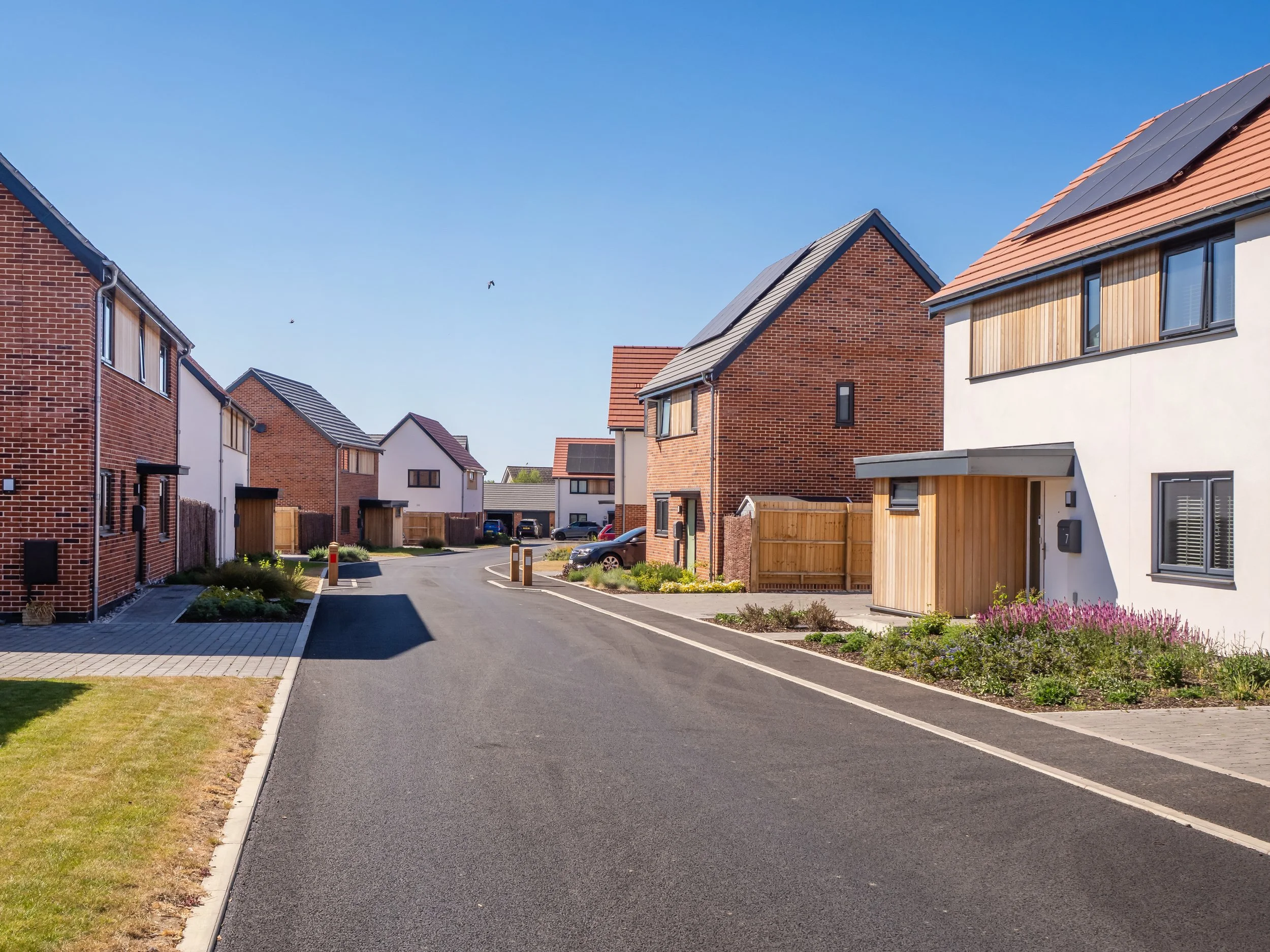
Most developments can’t deliver a 10% biodiversity uplift on site, or maintain those habitats for 30 years. Our off-site units help developments in England meet planning conditions without the cost and complexity of long-term habitat management.
-
You can be confident that your BNG units meet all policy and regulatory requirements. We developed our baseline surveys and habitat management plans with direct support from Natural England.
-
We’ll complete your off-site Metric section, assist with relevant parts of your Biodiversity Gain Plan, and answer any questions as you work with your local planning authority.
-
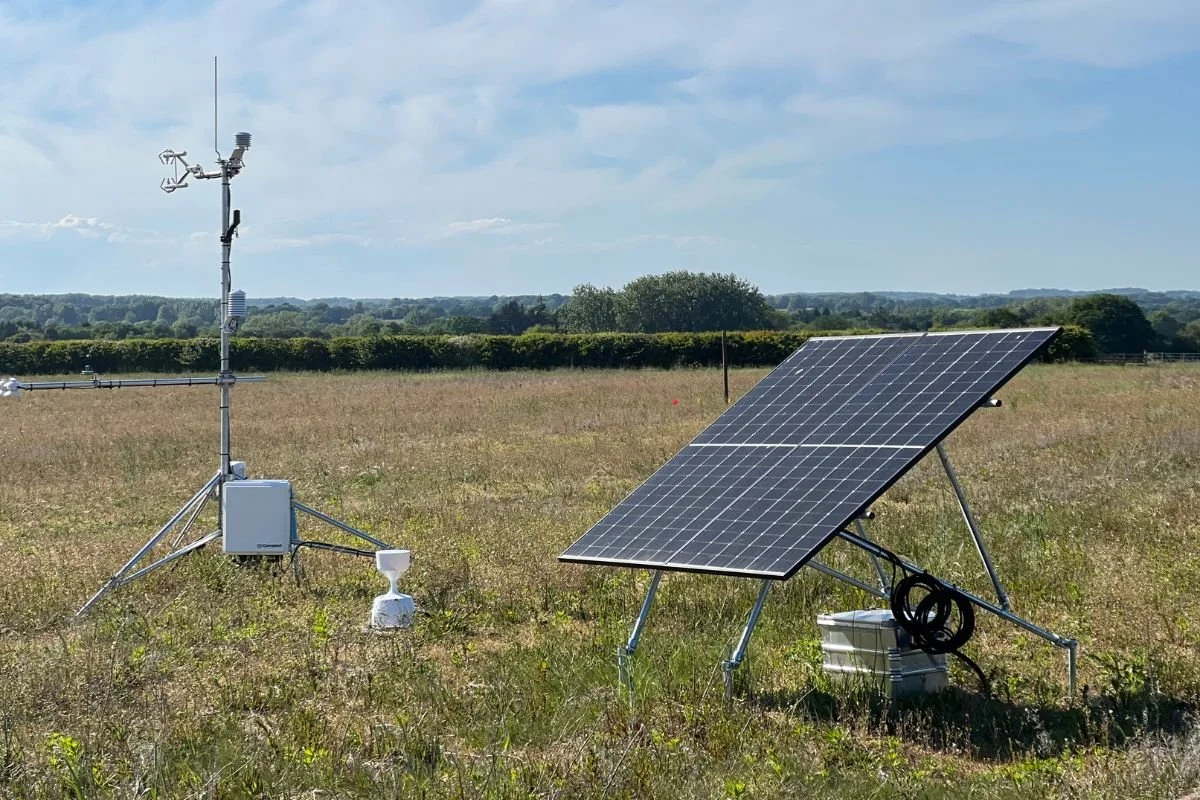
We have completed high-resolution baselines for both above- and below-ground carbon, demonstrating a significant long-term carbon benefit.
As land use shifts away from intensive agriculture, emissions from fossil fuels, agrochemicals and synthetic fertilisers are substantially reduced.
We are also collaborating with the University of East Anglia (UEA) to monitor soil carbon over time.
-
Your BNG units support a collaborative landscape-scale project involving farmers, landowners, Natural England, local NGOs and local authorities. Wendling Beck is actively contributing to national policy around monitoring, reporting and verification (MRV) for nature recovery.
How to buy BNG units
1
Send us your metric
Complete our form, including your Biodiversity Metric (latest version), site address and planning reference.
2
Review your quote
We complete the off-site section and send a clear quote for you to review.
3
Provide final metric
Submit your final BNG Metric aligned with your on-site redline and suitable for LPA engagement.
4
Purchase BNG units
Once your Planning Decision Notice is available, we upload your Metric and PDN to the BNG Register and issue your allocation reference for LPA submission.
Our BNG Projects
Learn how our BNG units enable developers across England to meet planning requirements while supporting nature recovery in Norfolk.
BNG at Wendling Beck in numbers
3,000+
BNG units for sale
35
Habitat unit types
2,500+
Species protected
Get a biodiversity net gain quote
If you're ready to purchase BNG units, or simply want more clarity on the BNG process, our team is here to help.
✉ info@wendlingbeck.org
☎ 01362 601219
Or fill out the form below and we'll be in touch:

Our BNG partners


























Frequently asked questions
-
BNG units are the metric used to measure biodiversity value under the UK Biodiversity Net Gain policy. They convert habitats into a numerical “currency” that reflects their ecological contribution, factoring in habitat type, condition, size and strategic value.
-
Yes. Although Wendling Beck is based in Norfolk, our BNG units are delivered nationally, and 90% of our BNG supply supports developments outside the county. We work with developers and planning authorities across England and can offer competitive pricing regardless of location.
-
BNG units are calculated using the Statutory Biodiversity Metric, a government-approved tool that assesses existing habitat and the expected outcome post-development. The metric gives a baseline score and a post-development score; the difference determines whether a net gain has been achieved.
-
A 10% biodiversity net gain means the biodiversity value after development must be at least 10% higher than the value before work started. It’s a legal requirement for most planning applications in England.
-
The terms are related but not the same. BNG units are the actual quantified ecological uplift generated by habitat creation or enhancement. Statutory biodiversity credits are a government-provided fallback option. Developers can only use credits if they cannot secure enough real BNG units on- or off-site despite demonstrating reasonable effort. Unlike BNG units, credits are not tied to a specific habitat project.
-
You can purchase off-site BNG units from approved habitat banks or land managers. At Wendling Beck, we offer fully compliant off-site BNG units from our Norfolk habitat bank, along with metric support, planning coordination, and registration with the BNG Register.
-
Costs vary depending on unit type, location and market conditions. There’s no fixed price set by government. Industry estimates show a wide range of unit prices, influenced by supply–demand balance and habitat scarcity. Developers should budget for ecological assessment, unit delivery and long-term management.
-
Small domestic gardens are generally not counted as BNG habitat for planning purposes. BNG focuses on habitat creation and enhancement at a scale and quality that delivers measurable ecological uplift. In rare cases, well-designed green spaces might form part of a wider on-site habitat strategy if assessed and justified through the metric process.
-
BNG units come with a minimum 30-year legal commitment. This means the habitat must be created and managed for at least 30 years, with monitoring and reporting in place to show it’s delivering what was promised.
-
BNG is checked through the planning process. Local Planning Authorities review the biodiversity metric submission and the BNG plan, and off-site units must be legally secured and recorded correctly. Where off-site units are used, they must also be properly registered and traceable.
-
On-site BNG is biodiversity delivered within the development boundary. Off-site BNG is delivered elsewhere, for example through a habitat bank like Wendling Beck, when it’s not possible to meet the full requirement on the development site.
-
If a development can’t demonstrate 10% BNG (and a compliant delivery plan), planning permission is unlikely to be granted. BNG is now a standard requirement for most developments, so it needs to be addressed early, not left until the end of the planning process.