
What are ecosystem services? Definition, value and real-world examples from Wendling Beck
Ecosystem services underpin how nature supports society, from Biodiversity Net Gain (BNG) to nutrient neutrality, and how landscape-scale projects like Wendling Beck deliver measurable environmental value across multiple public-benefit outcomes.
Understanding ecosystem services has never been more important for developers, planners and landowners navigating today’s environmental policy landscape.
This guide explains what ecosystem services are, outlines the four main categories and provides examples. We’ll also highlight how Wendling Beck delivers high-integrity ecosystem services that support both nature recovery and responsible development.
Ecosystem Services Definition
Ecosystem services are the benefits people obtain from nature. These include direct benefits like fresh water and timber, and indirect benefits such as climate regulation, clean air, soil formation and biodiversity.
In simple terms, ecosystem services define how nature supports human wellbeing, the economy and ecological resilience.
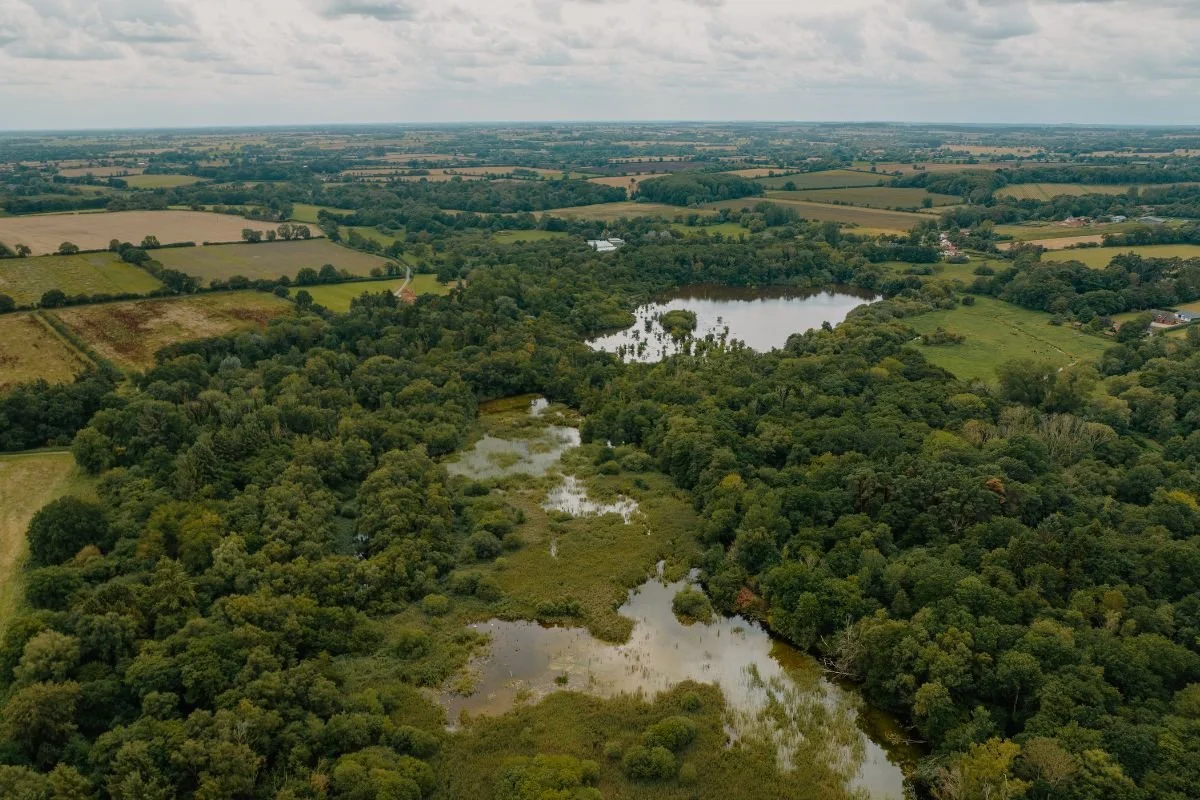
Ecosystem services help us define, measure and value nature’s contribution to society.
What Are the 4 Ecosystem Services?
Ecosystem services are commonly grouped into four categories:
Provisioning Services: Products obtained from ecosystems such as food, freshwater and raw materials.
Regulating Services: Benefits derived from ecosystem processes like flood management, carbon sequestration and water purification.
Cultural Services: Non-material benefits including recreation, wellbeing, education and community engagement.
Supporting Services: The ecological processes that underpin all other services, including soil formation, nutrient cycling and habitat provision.
These categories help us define, measure and value nature’s contribution to society.
Examples of Ecosystem Services at Wendling Beck
At Wendling Beck, we generate many of these ecosystem services through rewilding, chalkstream restoration, regenerative land management and the creation of species-rich habitats across a connected 2,000-acre landscape.
Here are examples of ecosystem services we provide:
Supporting Services
We restore species-rich grasslands, wetlands, chalkstreams and woodlands, strengthening biodiversity and habitat connectivity. These supporting ecosystem services underlie pollinator recovery, soil health and ecological resilience across the whole site.
Regulating Services
Our chalkstream remeandering of Spring Beck increases floodplain connection and slows peak flows, enhancing natural flood management.
We also monitor water quality using 24/7/365 digital sensors, supported by manual sampling with the University of East Anglia (UEA). This provides a long-term dataset to track how restoration improves chalkstream health over time.
Cultural Services
We work closely with the Norfolk Museums Service and Norfolk County Council to deliver youth climate and nature engagement programmes, supporting environmental education and access to green skills.
Wendling Beck also provides volunteering opportunities, apprenticeships, and paid entry-level roles in conservation and ecology, ensuring that nature recovery benefits both nature and the communities that live alongside it.
Public access routes such as the Wendling Way further enhance recreation and wellbeing.
Buying Ecosystem Services
To help improve climate resilience, water management and biodiversity, and to mitigate the impact of new developments, some ecosystem services have been made formally available as market-ready, tradable units.
At Wendling Beck, we operate in two ecosystem service markets:
1. Biodiversity Net Gain (BNG) Units
Wendling Beck provides high-integrity, long-term BNG units to developers who require off-site biodiversity compensation.
Our habitats include grasslands, chalkstream corridors, wetlands, woodland and transitional mosaics. We offer 35 habitat unit types secured under a Conservation Covenant with RSK Biocensus.
To learn more, view our detailed guidance on purchasing BNG units from Wendling Beck.
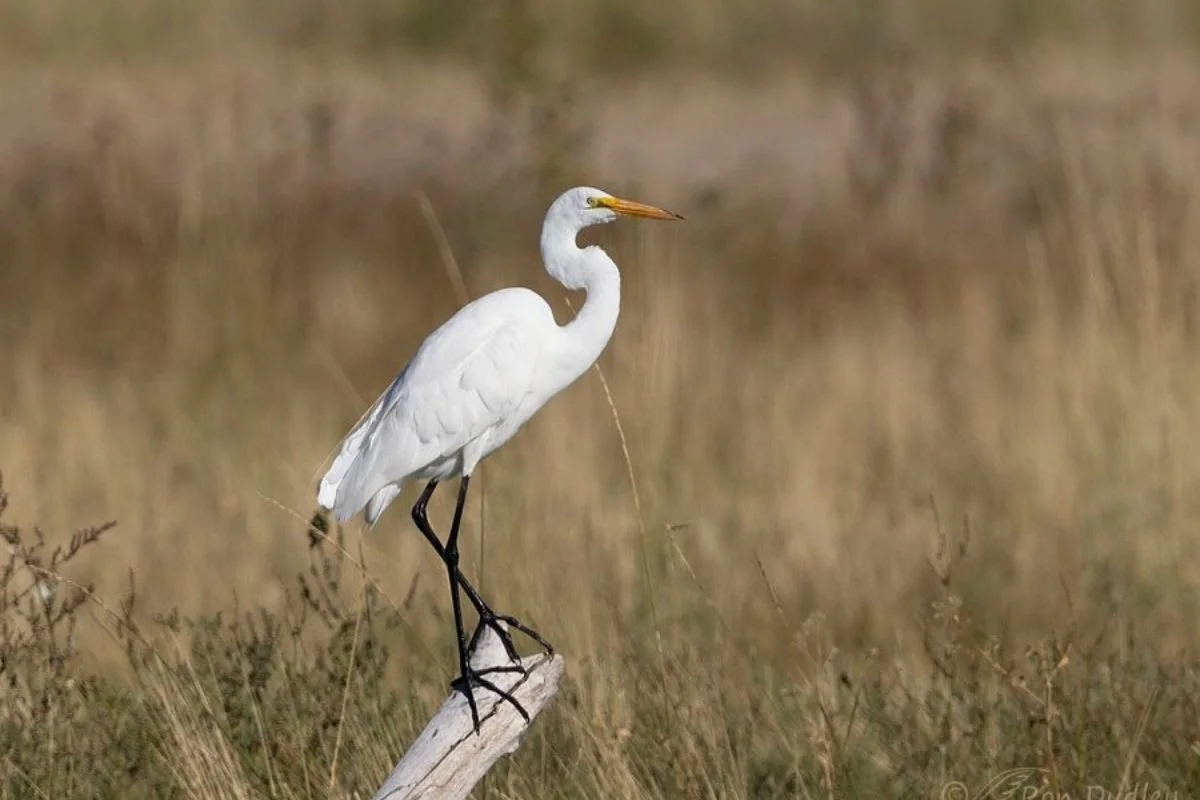
By creating new habitats in Norfolk, we can offer BNG units to developers.
2. Nutrient Neutrality Credits
Nutrient neutrality credits offset phosphorus and nitrogen loading from development, enabling schemes to progress in constrained catchments. Credits are generated through permanent land-use change, grassland and wetland creation and improved nutrient-retention performance across the catchment.
At Wendling Beck, our nutrient neutrality credits are secured via Section 106 with Breckland Council and Section 33 with neighbouring authorities. Find out more about our nutrient mitigation scheme and purchase nutrient neutrality credits here.
Tracking Non-Commercial Ecosystem Services
Alongside our formal markets, Wendling Beck generates additional long-term ecosystem services that we monitor, value and invest in, but do not sell commercially. These include:
Natural Flood Management
Our chalkstream restoration of Spring Beck has increased floodplain connection, created backwater refuge habitats and slowed peak flows, reducing downstream flood risk. Further remeandering and restoration work on Wendling Beck is scheduled for 2027, significantly increasing flood resilience within the landscape.
Water Quality Improvement & Monitoring
High-integrity water quality data is essential for tracking ecological recovery.
Wendling Beck uses:
24/7/365 in-stream digital monitoring: to continuously track parameters such as turbidity, dissolved oxygen and conductivity.
Supplementary manual sampling: in partnership with the University of East Anglia (UEA), providing laboratory-grade accuracy for long-term trend analysis.
This combined approach establishes a robust baseline for chalkstream health and helps assess improvements driven by remeandering, wetland creation and land-use change.
Carbon Storage and Sequestration
We monitor our carbon performance through:
A full AgriCarbon soil carbon baseline across the project area
Treeconomy LiDAR mapping of above-ground carbon across all 2,000 acres of our estate
Although we do not currently sell carbon credits, transparent monitoring ensures future readiness and scientific integrity.
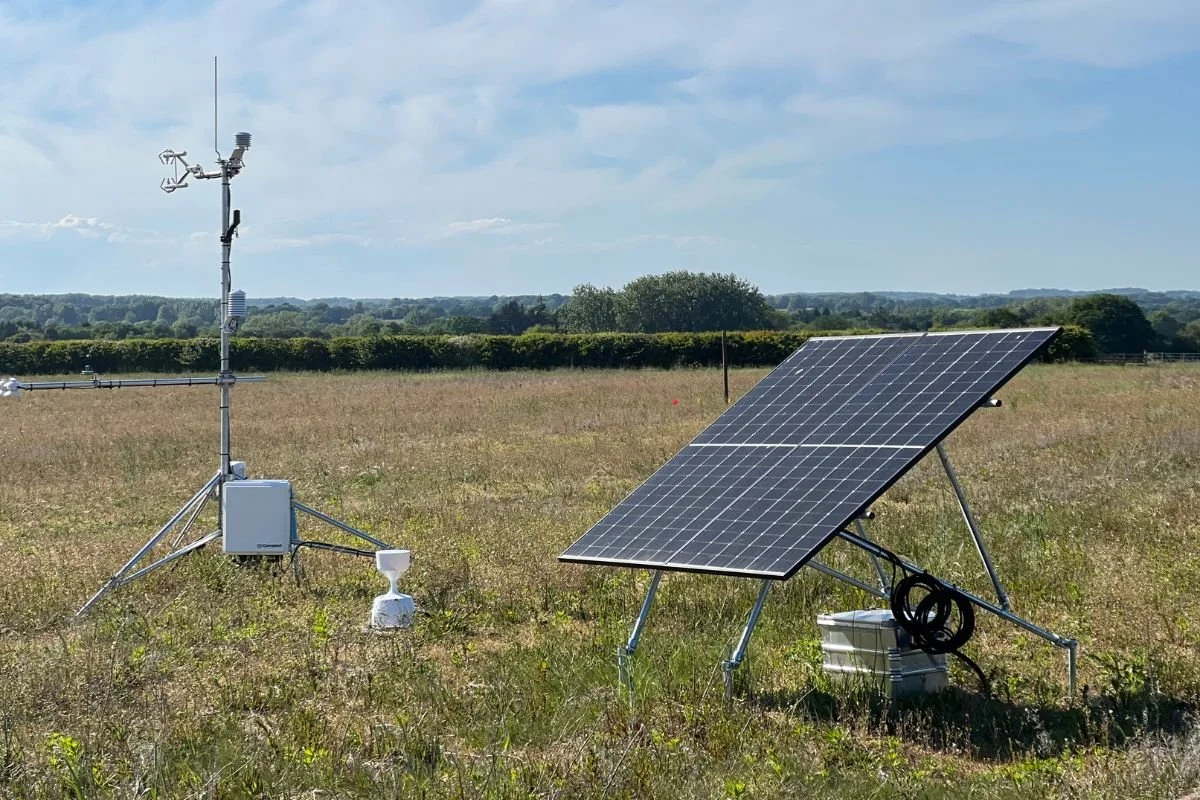
Our carbon flux tower delivers carbon measurement at Wendling Beck, in partnership with the UK Centre for Ecology & Hydrology (UKCEH).
Why Ecosystem Services Matter for Development and Land Management
Ecosystem services provide a practical framework for developers, planners, and landowners to understand how environmental processes interact with land-use decisions. By using this approach, organisations can identify environmental risks early, quantify potential ecological uplift and meet statutory requirements such as Biodiversity Net Gain and nutrient neutrality.
Ecosystem services also help to guide long-term land stewardship, support natural capital reporting, and demonstrate the wider public value created through responsible land management.
At Wendling Beck, this thinking shapes our restoration strategy, our monitoring frameworks and our environmental market integrity.
Wendling Beck: A Landscape-Scale Ecosystem Services Project
Wendling Beck is one of the UK's leading landscape recovery projects, delivering high-value ecosystem services through collaborative land management, ecological restoration and long-term stewardship agreements.
Whether you’re exploring BNG units, nutrient neutrality credits, or simply want to understand our approach to measuring ecosystem services, we’re here to help. Contact our team or email us at info@wendlingbeck.org.
Frequently Asked Questions
What Are Ecosystem Services Examples?
Common examples of ecosystem services include:
Natural flood protection: Through the creation or restoration of wetlands, floodplains and healthy soils.
Pollination: Provided by species-rich grasslands and habitats for bees, butterflies and other insects.
Soil formation: Created as microorganisms break down organic matter into nutrients.
Climate regulation: Through carbon drawdown above and below ground.
Clean water: Supplied by natural filtration in rivers, wetlands and aquifers.
Carbon storage: In woodlands, peatlands and long-term soils.
Recreation and education: Making nature accessible to communities.
Habitat for wildlife: Helping to reverse biodiversity loss.
What Are Supporting Services in an Ecosystem?
Supporting ecosystem services are the foundational ecological processes that allow all other ecosystem services to exist. These include:
Soil formation
Nutrient cycling
Primary production
Habitat creation
Biodiversity support and connectivity
At Wendling Beck, supporting services are strengthened through grassland creation, wetland restoration, chalkstream remeandering, woodland establishment and regenerative practices. These underpin everything from pollinator recovery to improved water quality and carbon storage.
