Norfolk’s Local Nature Recovery Strategy: Why It’s Needed and How We’re Contributing
Published on 19/06/25 & Updated on 18/11/25
Norfolk has taken a bold step forward in nature recovery with its Local Nature Recovery Strategy (LNRS) – a plan that will shape how the county protects and enhances its landscapes, wildlife, and ecosystems for decades to come.
At Wendling Beck, we believe this strategy is a vital opportunity to ensure that large-scale, evidence-led nature recovery is at the heart of Norfolk’s environmental future.
What is the Norfolk Local Nature Recovery Strategy?
With one in six species at risk across Great Britain, England is adopting a new approach to create spaces for nature to thrive. The Norfolk LNRS is among 48 being created to form a national Nature Recovery Network (NRN) as part of the Environment Act 2021.
In contrast to creating isolated pockets of space for nature, Local Nature Recovery Strategies will mean that natural habitats will become ‘bigger, better, and more connected’.
The Norfolk LNRS was published on 31st October 2025, after a public consultation. Here at Wendling Beck, we were delighted to be featured in the consultation draft as a case study of what’s possible.
In Norfolk, the strategy will act as a working blueprint for nature recovery across the county. The LNRS outlines the current state of nature in Norfolk, highlighting opportunities for recovery and mapping locations that will make the greatest difference.
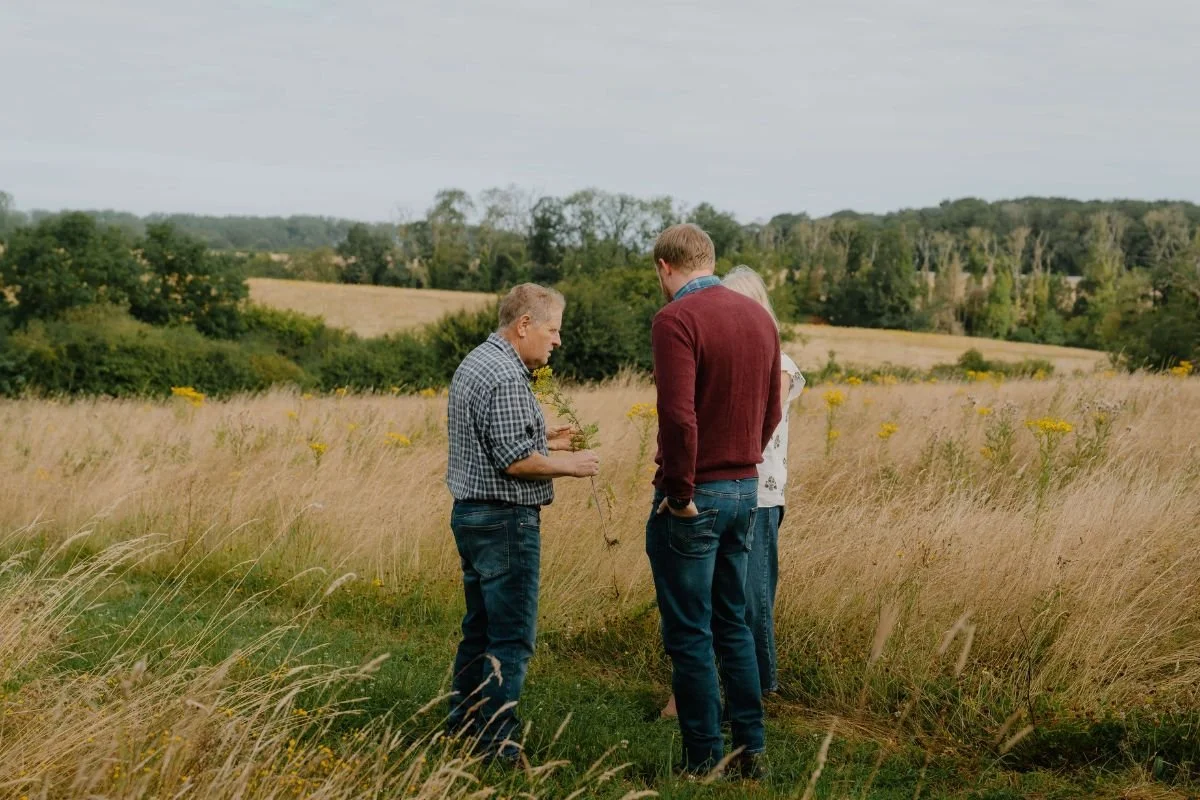
Norfolk is taking a bold step forward in nature recovery with its Local Nature Recovery Strategy (LNRS).
How Does the LNRS Benefit Norfolk?
The LNRS is a strategic approach to restoring nature across Norfolk at a landscape scale. This offers benefits for:
1. the Environment
Creating wildlife corridors enables species to travel across previously isolated habitats, promoting migration, genetic exchange, and adaptation in the face of climate change.
By restoring diverse habitats, such as wetlands, grasslands, woodlands, and river systems, we can enhance biodiversity, improve soil health, and improve water quality - as well as increase Norfolk’s resilience to climate change by sequestering carbon and reducing the risk of flooding.
2. Land Management
For farmers and landowners, the LNRS also offers clear benefits by identifying priority areas for habitat creation and enhancement. This supports land managers to make informed decisions about how to integrate nature recovery into their operations.
The LNRS also supports access to environmental finance opportunities, or nature markets, including Biodiversity Net Gain (BNG).
3. Communities
In 2022, 1.1 million fewer people in the UK were gaining the health benefits from time in nature. Creating space for nature will offer enormous benefits to the people of Norfolk, with more access to nature, cleaner air and improvements to water quality - find out more about our efforts to achieve nutrient neutrality in the River Wensum.

The LNRS supports Biodiversity Net Gain (BNG), a system that ensures new developments leave nature in a better state than before.
How Wendling Beck is contributing to the LNRS
There are three important things we’re already doing that are key to the overall LNRS:
1. Collecting robust data to track progress
For nature recovery to succeed, we need robust data to track progress. The LNRS recognises the importance of Monitoring, Verification & Reporting (MVR) to ensure habitat improvements are measurable, scientifically verified and transparently reported.
At Wendling Beck, we’ve been pioneering this approach through initiatives such as farmer-led monitoring, demonstrating how rigorous monitoring can guide better land management decisions. By embedding strong MVR principles into the LNRS, Norfolk can set a gold standard for nature recovery.
2. Supporting Biodiversity Net Gain
The Norfolk Local Nature Recovery Strategy supports Biodiversity Net Gain (BNG), a system that ensures new developments leave nature in a better state than before. This market-based approach to nature creates opportunities for landowners, farmers, and conservationists to work together, balancing environmental and economic needs.
Wendling Beck is proving how BNG can drive large-scale habitat creation, from wetlands to species-rich grasslands. By aligning with the LNRS, we can help scale up these benefits across Norfolk.
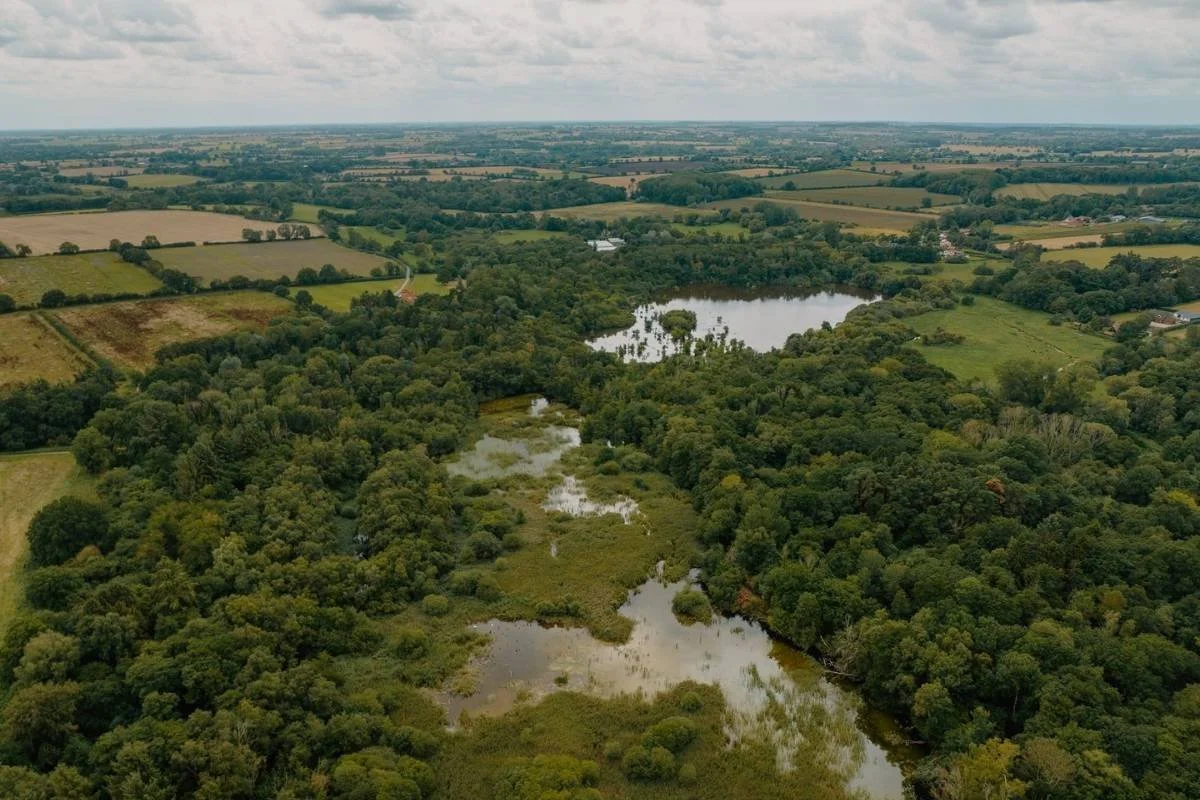
At Wendling Beck, we are restoring large-scale habitats in Norfolk from wetlands to grasslands.
3. Collaborating and engaging with the community
The LNRS emphasises partnerships and local engagement – something Wendling Beck is deeply committed to. Through our work with Norfolk County Council and Gressenhall Museum, we’re connecting people with nature, whether through education, volunteering or cultural heritage projects.
The Norfolk Local Nature Recovery Strategy is a chance to strengthen these collaborations, ensuring that farmers, businesses, communities, and policymakers all play a role in nature recovery.
How You Can Support the Norfolk LNRS
The LNRS will shape Norfolk’s environment for years to come. Now that the LNRS has been published, it needs your support to make it as effective as possible.
At Wendling Beck, we’re proud to be part of Norfolk’s nature recovery story – but we can’t do it alone. As a developer, you can partner with us to purchase Biodiversity Net Gain (BNG) and Nutrient Neutrality Credits. We also offer volunteer opportunities where you can help to ensure that Norfolk’s landscapes, wildlife, and communities thrive together.
For more insights, check out our other news and blog articles, including ‘How BNG Projects Improve Water Quality and Restore Soil Health’ and ‘What is Biodiversity Net Gain? Exploring Nature Markets’, and to speak with a member of the Wendling Beck team, please get in touch via our enquiry form.
