
What is nutrient neutrality? A Norfolk guide to policy and practice
At its core, nutrient neutrality ensures balance. It means new developments must not increase the levels of harmful nutrients (specifically phosphates and nitrates) entering protected water bodies.
Think of it as a "one-in, one-out" rule for water quality. If a new housing development adds a certain load of nitrogen or phosphorus to the water system per year through wastewater, the developer must offset or remove that same amount from the catchment.
In this guide, we explain what nutrient neutrality means in practice, why it matters for development in Norfolk, and the options available to move projects forward.
Why Nutrient Neutrality Became a Planning Requirement
In Norfolk, the phrase "nutrient neutrality" has transitioned from a niche environmental term to a critical gatekeeper for development.
On 16 March 2022, Natural England issued advice that effectively halted thousands of planning applications overnight. As a result, nutrient neutrality is now a legal requirement in affected catchments in England — not an optional environmental nicety.
This requirement applies where protected sites, such as Special Areas of Conservation (SACs) and Special Protection Areas (SPAs), are in unfavourable condition due to excess nutrient pollution.
For developers, landowners, and local communities, understanding nutrient neutrality is no longer optional. It is often the deciding factor between a project breaking ground or remaining stalled.
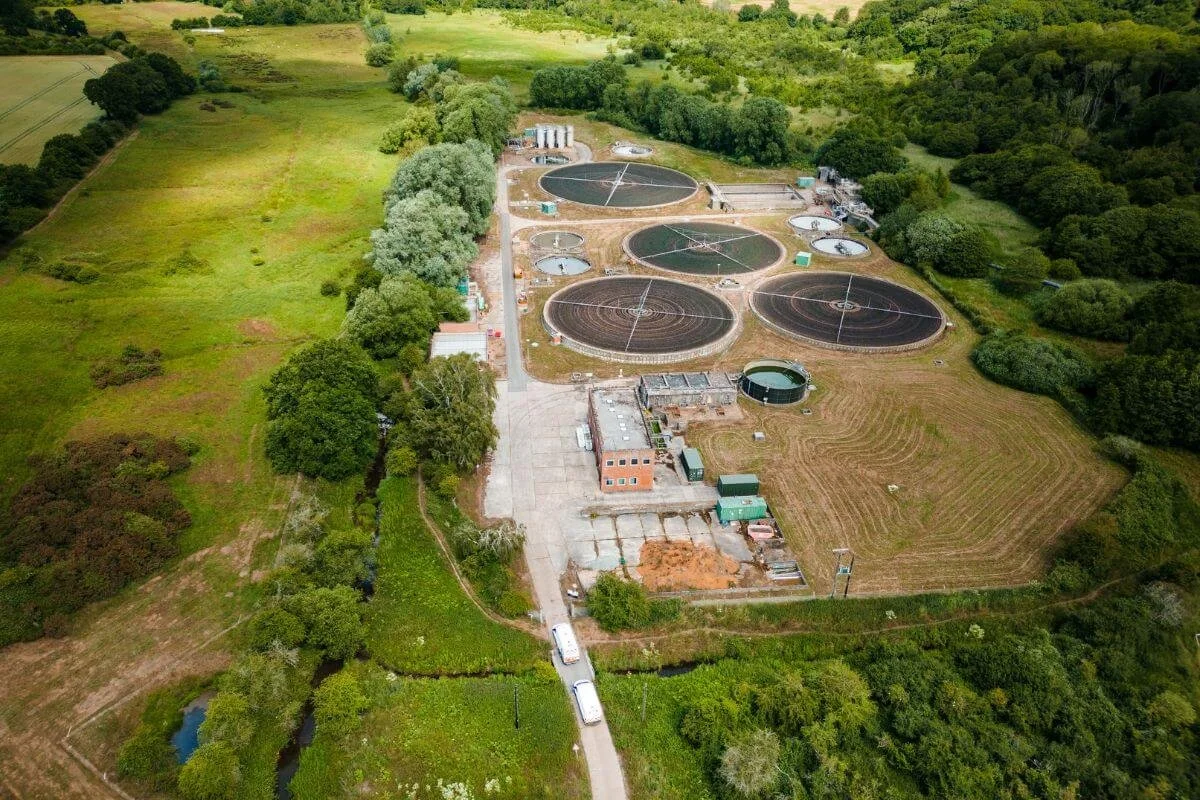
Wastewater treatment infrastructure plays a key role in nutrient loading, which is why development impacts must be carefully assessed at a catchment level.
What This Means for Development in Norfolk
As a Norfolk-based habitat bank, we see first-hand how these rules impact our local landscape, particularly within the River Wensum, River Yare, and River Bure catchments.
For developments within the Wensum and Yare catchments, securing access to nutrient neutrality credits is often the most practical route to unlocking planning permission. Wendling Beck supplies nutrient neutrality credits in Norfolk, providing an established, locally focused option for off-site mitigation where on-site solutions are not feasible.
How to Offset Nutrient Neutrality
If you cannot achieve nutrient neutrality on-site, the only practical alternative is off-site mitigation within the same catchment area.
In practice, most developers follow a three-step process:
1. Calculate Your Nutrient Load
Use the Norfolk Nutrient Budget Calculator to establish how much nutrient load your development will generate.
2. Consult a Nutrient Mitigation Provider
Confirm that nutrient neutrality credits are available from a recognised provider within your catchment. Contact our team to check current nutrient neutrality credit availability in the Wensum or Yare catchments.
3. Secure Your Nutrient Neutrality Credits
Move forward with established s106 or s33 agreements, providing the certainty your planning application needs to move forward.
This approach is lawful, widely accepted by planning authorities, and deliverable now, offering certainty while longer-term policy changes continue to develop.
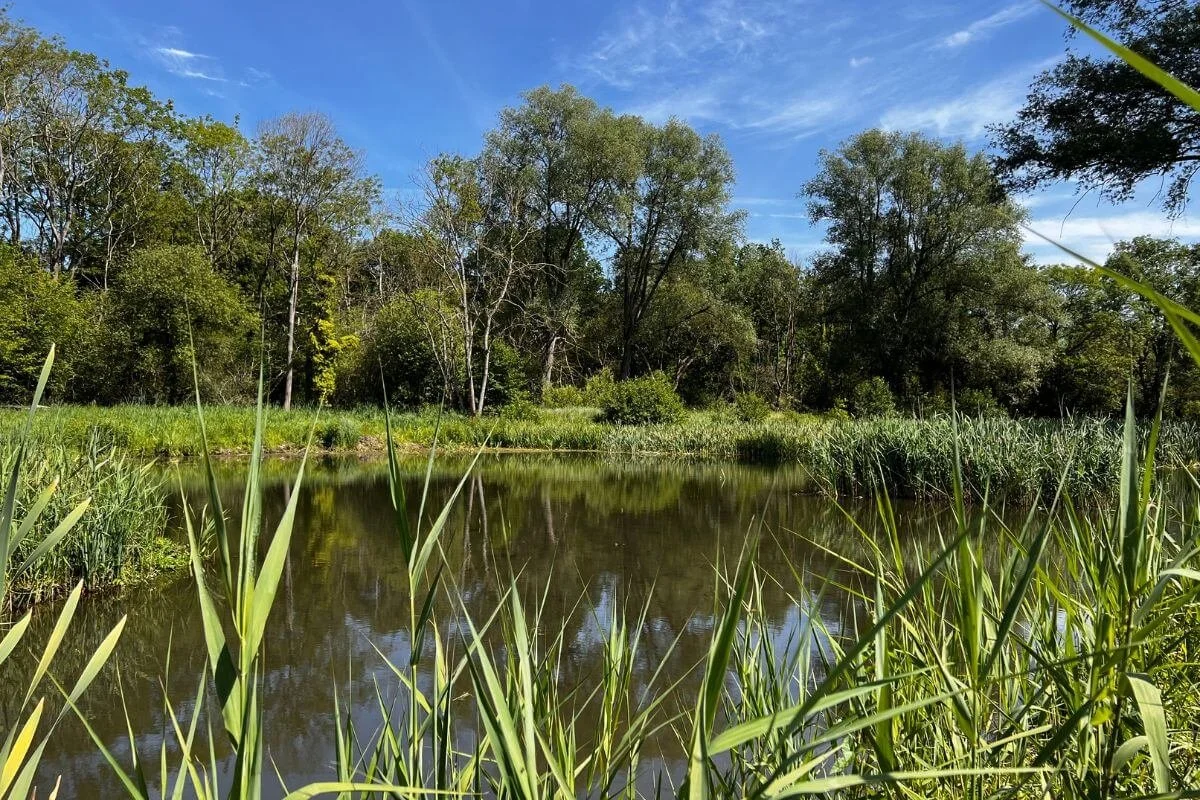
Purpose-built wetlands and habitat creation are commonly used to offset nutrient impacts where on-site mitigation is not sufficient.
The Landscape in 2026: EDPs and the "Waiting Game"
The nutrient market is entering a transitional phase. Following the Planning and Infrastructure Act 2025, there is significant anticipation for the launch of Environmental Delivery Plans (EDPs) in 2026.
What are Environmental Delivery Plans?
EDPs are intended to be a "simplified" alternative to the existing credit-based system that Norfolk Environmental Credits (NEC) helped pioneer for Norfolk. Instead of developers sourcing individual mitigation projects, they may eventually be able to pay a levy into a national scheme.
The Risk of the "Wait and See" Strategy
While a simplified route sounds appealing, developers should be cautious about relying on a “waiting game” for several reasons:
Timeline Uncertainty: While EDPs are slated for 2026, the enabling legislation and operational frameworks take significant time to bed in. History shows that "launch dates" in planning policy can be fluid.
The Learning Curve: A new system means every player in the ecosystem—ecologists, lawyers, and planning officers—must familiarise themselves with new requirements, which can create initial friction and delays.
Unknown Costs: It is not yet clear whether the EDP route will be cheaper than existing private market credits.
The Proven Path: Existing mitigation routes remain a vital and functional way to discharge planning requirements right now.

Protected rivers and wetlands are sensitive to excess nutrients, making long-term mitigation essential for both planning compliance and ecological recovery.
Frequently Asked Questions
Is Nutrient Neutrality Mandatory?
Yes — nutrient neutrality is mandatory for new developments in affected catchments where protected habitats are already under pressure from excess nutrient pollution.
In these areas, local planning authorities can only grant permission where they are confident a project will not increase nutrient loading into protected sites. If nutrient neutrality cannot be demonstrated, planning applications are likely to be delayed, reduced in scope, or refused.
What Are the Nutrient Neutrality Rules?
While requirements can vary slightly by location, the core nutrient neutrality rules are consistent across England:
New development must not increase nutrient pollution (typically nitrates and phosphates) within the relevant catchment.
Nutrient impacts must be calculated using an approved methodology, often supported by Natural England calculators and local planning guidance.
If nutrient neutrality cannot be achieved on-site, developers must secure off-site mitigation within the same catchment.
The mitigation must be legally secured and deliverable, so planning authorities can rely on it when granting permission.
In practice, this usually means calculating the nutrient load of the development and then securing nutrient neutrality credits (or another accepted mitigation route) to offset the impact.
Who Calculates Nutrient Neutrality?
Nutrient neutrality calculations are typically prepared by a developer’s appointed planning consultant, ecologist, or environmental specialist — often in collaboration with the project team and local planning authority requirements.
The calculation is usually submitted as part of the planning application and must demonstrate that the development will not increase nutrient loading within the catchment once mitigation is accounted for.
For developers, the key is ensuring the calculation follows the correct methodology and that any required mitigation is secured in a way the planning authority will accept.
Achieving Nutrient Neutrality
Nutrient neutrality is now a central planning requirement in many parts of England, including Norfolk. It’s a way to ensure that new development doesn’t worsen nutrient pollution in sensitive watercourses.
For developers, understanding the calculation methodology, securing mitigation early, and working with experienced providers is essential to avoid planning delays. Waiting for future policy shifts, such as Environmental Delivery Plans (EDPs), without a fallback option carries risk; the current offset system remains both functional and widely accepted.
Why Partner with Wendling Beck?
Navigating nutrient neutrality isn’t just about buying credits. It’s about certainty in a complex planning environment.
Wendling Beck’s nutrient mitigation scheme offers:
Established s106 and s33 agreements with Breckland, South Norfolk, Broadland, and Norwich City Local Planning Authorities, in place for over 12 months
A proven track record of working with developers and planners to secure mitigation at the right stage in the planning process
Deep catchment expertise within the River Wensum and River Yare catchments
A Single Port of Call for Ecosystem Services
We don’t just offer nutrient credits. We streamline the broader environmental compliance journey.
If your development also requires Biodiversity Net Gain (BNG) mitigation or Protected Species Translocation, we can be your single point of contact for ecosystem services. By grouping these requirements, we provide:
Value for Money: Reduced administrative overheads and bundled credit pricing.
Efficiency: One point of contact for multiple ecological hurdles.
Reliability: Proven legal frameworks that councils already trust.
If your development is affected by nutrient neutrality in Norfolk, early engagement can make the difference between delay and delivery.
